

· Emily Condle
How to Start a Head Spa Business: Licensing, Setup, and First Clients
Learn how to start a head spa business: verify licensing, choose a setup, estimate costs, find first clients, and plan your first 90 days.
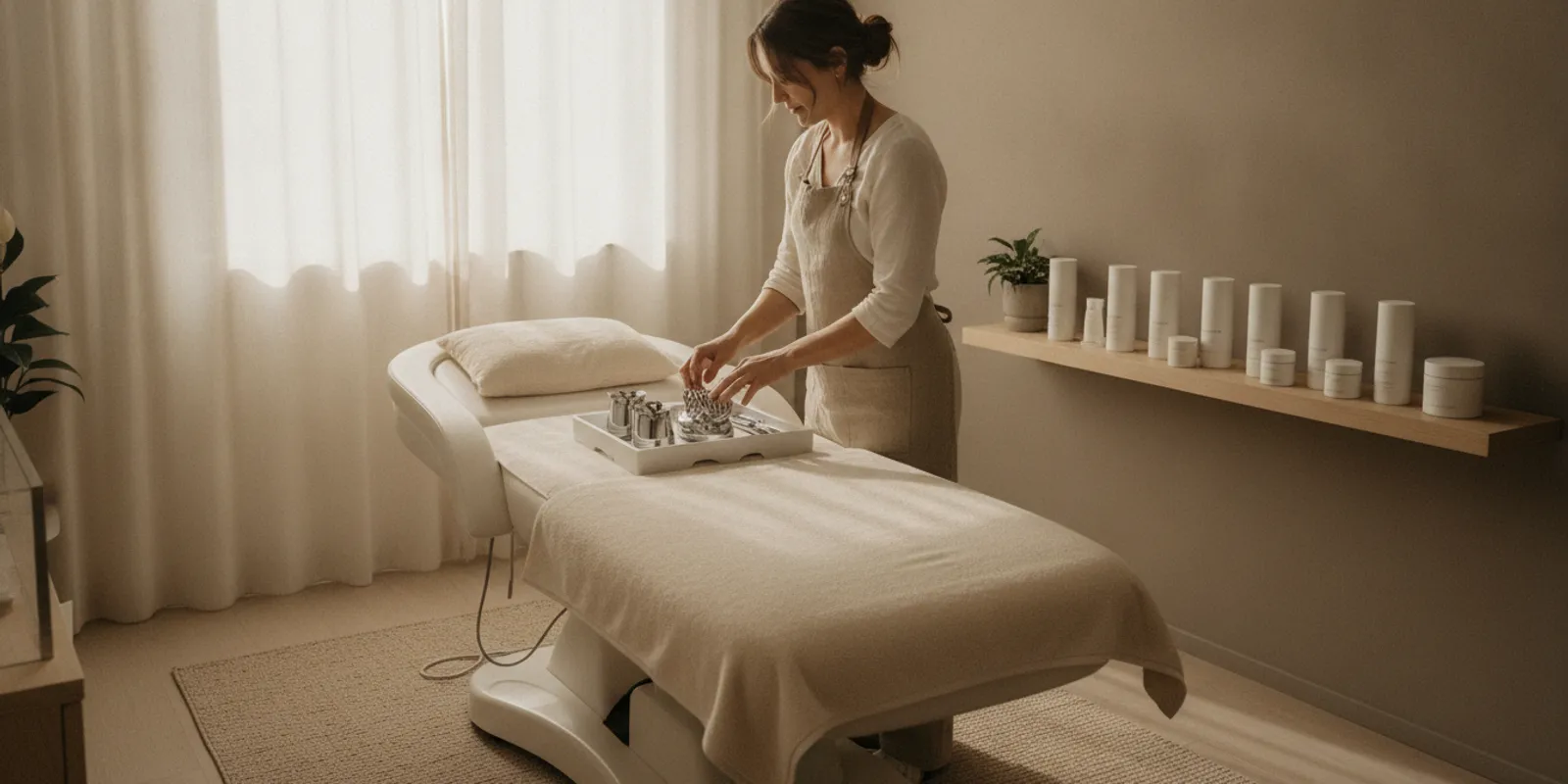
Starting a head spa business means building a compliant beauty-service business around scalp-focused care, with the right license, suitable space, equipment, products, and client-development plan. The first step is to confirm what your state and local rules allow before you sign a lease or buy specialized equipment.
Ask about professional training
This guide is for licensed beauty professionals exploring a standalone business, suite, or salon-based model. Requirements vary by jurisdiction and by the services offered, so treat this as a planning framework rather than legal advice. For a broader overview of training routes and adding services to an existing business, see our head spa certification and professional training guide.
What license do you need to offer head spa services?
The license you need depends on your location, the services you perform, and how regulators classify them. A head spa service may include shampooing, scalp massage, cosmetic cleansing, or other beauty services, and each activity can have different rules. Do not assume that one license covers every service.
Before opening, contact the state board that regulates cosmetology or esthetics and your local business licensing office. Ask for written guidance on the exact service menu and business model you plan to use. Federal Small Business Administration guidance also recommends checking federal, state, and local licensing and permit requirements for the specific business activity: SBA guidance on licenses and permits.
- Confirm whether your professional license permits each planned service.
- Ask whether the business itself needs a salon, establishment, or facility license.
- Verify sanitation, disinfection, water, plumbing, and recordkeeping requirements.
- Check local zoning, occupancy, signage, and fire-safety requirements for the address.
- Ask whether additional rules apply to devices, chemical products, or services near the eyes or ears.
Keep the service menu within your professional scope. Avoid diagnostic language or claims that a cosmetic service treats a medical condition. If a client describes sudden, patchy, or significant hair loss, recommend that they speak with a healthcare professional rather than presenting a spa service as a solution.
Q: Can an esthetician or cosmetologist open a head spa?
A: Potentially, but the answer depends on local scope-of-practice rules and the services offered. Verify those details with the appropriate licensing board before committing to a location.
How should you choose a business model: suite, salon booth, or standalone spa?
Choose a format by comparing startup obligations, privacy, control, and the amount of infrastructure you need. A lower fixed-cost arrangement may limit design control, while a standalone location can offer more flexibility and more responsibility.
| Model | Potential advantages | Questions to resolve |
|---|---|---|
| Salon booth or room | May provide access to an existing salon environment and shared amenities. | Who controls booking, sanitation areas, signage, hours, and client records? |
| Salon suite | Offers a private work area within a larger suite setting. | What is included in rent, and are plumbing, laundry, storage, and permitted services suitable? |
| Standalone spa | Allows more control over layout, branding, and service flow. | Can the budget support build-out, utilities, insurance, permits, and ongoing operating costs? |
Get the agreement in writing. Clarify rent and fees, lease term, maintenance responsibilities, permitted use, access hours, cancellation terms, and whether your business can install or use the equipment required for the service. Ask an insurance professional what coverage is appropriate for your work and premises.
Assess the room as a working environment, not only as a client-facing space. Check the route from entry to treatment area, available storage, access to water, cleanup sequence, laundry handling, and whether conversations can remain private. If you plan to work alone, also consider safe access during opening and closing. Write down any required changes and confirm who is responsible for them before signing.
Estimate demand before selecting a space. Map nearby complementary businesses, access, parking, and the clients you expect to serve. A polished room cannot compensate for an unclear offer or a location that is difficult for your intended clients to reach. Talk with prospective clients about what they understand by “head spa,” what questions they have, and what would make an appointment convenient. Use those conversations to improve your service explanation, not to assume demand is guaranteed.
What startup costs should you plan for?
There is no reliable universal startup total: rent, build-out, equipment choices, local fees, and product needs differ. Build a written budget using actual quotes for your market. Separate one-time launch purchases from recurring costs, and keep a reserve for the period before bookings become consistent.
Equipment and room setup
List the essentials for your planned service rather than buying every available tool. Depending on the service design and local requirements, your list may include a treatment bed or chair, shampoo or water setup, storage, linens, laundry arrangements, lighting, and sanitation supplies. Confirm room dimensions and utilities before ordering large equipment. Ask vendors about installation, warranties, maintenance, delivery access, and what happens if a unit needs repair during business hours.
Products, supplies, and operations
Price the products used per service, backbar stock, retail inventory if relevant, disposable supplies, laundry, payment processing, booking software, insurance, utilities, and professional fees. Choose products for the service protocol and client needs; do not make medical claims in product descriptions or consultations. Track product use during practice appointments so your per-appointment estimate reflects actual quantities rather than guesswork.
Training and launch costs
Training is a business expense as well as a skills decision. Compare what a program teaches, the experience required to attend, what materials are included, and whether the instruction fits your permitted scope. The Sage offers online business education and hands-on training for licensed beauty professionals; review the online HeadSpa Blueprint and hands-on training details to understand the formats.
Use a simple worksheet: one-time costs, monthly fixed costs, variable cost per appointment, and cash reserve. Then estimate how many completed appointments would be needed to cover monthly expenses, using your own prices and conservative utilization assumptions. This is a planning exercise, not a promise of earnings.
For example, list rent, insurance, software, utilities, and any financing payment as monthly fixed costs. Add the products, laundry, payment fees, and disposable supplies used for each completed appointment as variable costs. Subtract those variable costs from the price you set to estimate the amount available toward fixed expenses. Divide fixed expenses by that contribution to estimate a break-even appointment count. Then compare the result with realistic room capacity, days available, and time for setup and cleaning. If the number requires a fully booked calendar from the first week, revisit the lease, schedule, or service plan.
Keep a separate line for expenses that can arrive irregularly, such as equipment maintenance, replacement linens, permit renewals, and professional advice. A budget that includes only rent and products can understate the cash needed to operate steadily. Get quotes in writing, note when each payment is due, and update the worksheet whenever an assumption changes.
How can you attract your first head spa clients?
Make it easy for a prospective client to understand what the service is, who performs it, what happens during an appointment, and how to ask questions. Clear information and a dependable client experience are more useful than broad claims about outcomes.
- Define a specific service. Explain the appointment steps, approximate duration only if confirmed, and what clients should expect to feel or do afterward.
- Build a local presence. Use accurate business details, local directories, and a clear service page. Include the neighborhoods you can realistically serve.
- Show the environment. Use original, consented photos of the actual space and equipment. Keep images current and avoid implying results that are not documented.
- Invite referrals responsibly. Make it easy for satisfied clients to share your information, without pressuring them or fabricating testimonials.
- Follow up professionally. Use client-approved communication and clear policies for reminders, cancellations, and questions.
Draft a concise first-visit explanation before launch. State who the service is designed for, what the professional will do, what the client should tell you before the appointment, and what the service does not promise. Add practical details such as how to prepare, what to wear if applicable, and how to reach you with access questions. These basics reduce uncertainty and help inquiries become informed decisions.
Build trust through specifics: your qualifications, hygiene practices, service boundaries, and a straightforward booking or contact path. For an example of how an established provider presents its offerings, review Sage's service overview and the head spa FAQ. Professionals considering training can also use the broader head spa certification and professional training overview as a reference for questions to ask when comparing education.
What should the first 90 days look like?
A measured launch gives you time to check compliance, test operations, and refine the service based on actual questions and feedback. Set milestones, but adjust the pace to local approvals and your capacity.
- Days 1–30: validate. Confirm license and facility requirements, interview prospective clients, compare spaces, request equipment and insurance quotes, and draft a service menu within your scope.
- Days 31–60: prepare. Secure an approved space, complete required registrations, set up sanitation and booking procedures, document service steps, and practice the client flow.
- Days 61–90: launch and learn. Open with a manageable schedule, explain the service clearly, track inquiries and completed appointments, and note where clients need more information.
Turn each phase into a short written checklist with an owner and a completion date. In the validation phase, save agency responses and permit notes in one folder. During preparation, walk through a mock appointment from arrival to reset, recording where supplies, timing, or privacy create friction. Before opening, test the payment and cancellation process, confirm that client records are stored appropriately, and make sure a new client can find the correct entrance without a phone call.
Review a few operating measures each week: inquiries, inquiry-to-appointment conversion, completed appointments, rebooking interest, supply use, and client feedback. If demand is lower than expected, identify the issue before adding services or spending more. It may be positioning, convenience, schedule availability, or simply insufficient local awareness. Change one variable at a time where possible, then review whether the change improved clarity or operations.
How can Sage's professional training support your preparation?
Training can help a beauty professional understand service procedures and the practical decisions involved in offering head spa services. It does not replace a state license, local approvals, business planning, or professional judgment.
Sage describes its hands-on training as including its signature HeadSpa protocol, a professional toolkit, and access to the HeadSpa Blueprint online course. The online program focuses on systems, marketing, and business strategies. Review the requirements and included materials directly before enrolling, and consider how the curriculum fits your experience and jurisdiction.
Use the broader professional training and certification overview to compare options. Ask what the training covers, what it does not cover, what preparation is expected, and how you can continue developing skills after the course.
Make a comparison sheet before deciding. Include prerequisites, instructional format, practice opportunities, materials supplied, post-course resources, and the questions the provider is willing to answer. Separate technical instruction from business education, since a course may address one more deeply than the other. Most importantly, confirm that any technique you intend to offer is permitted under your license and local rules.
Contact Sage about professional training
Frequently Asked Questions
Do you need a cosmetology or esthetics license to open a head spa?
Requirements depend on state and local rules and on the services you provide. Confirm individual scope-of-practice and establishment requirements with the relevant licensing board before opening.
Is a salon suite a good first location?
It can be a practical option for some businesses, but suitability depends on rent, utilities, privacy, permitted use, and the space's ability to support your service protocol. Review the agreement and local requirements before signing.
How much does it cost to start a head spa?
Costs vary by location, space, equipment, products, insurance, and licensing. Request local quotes and build separate startup and monthly budgets rather than relying on a generic industry estimate.
Can head spa services address hair loss?
A cosmetic scalp service is not a guaranteed treatment for hair loss and should not be presented as medical care. Clients with significant or patchy loss should consult a physician or dermatologist.
A sound launch begins with verified licensing, a space that fits the service, a realistic budget, and clear communication about what clients can expect. Work through those decisions in order, then grow the business at a pace your systems can support.
Related Articles

How Do I Take Care Of My Scalp — What to Know First

Head Spa for Men: What Male Clients Should Know Before Booking
