

· Emily Condle
Is a Japanese Head Spa Worth It? A Practical Guide
Wondering is a japanese head spa worth it? See realistic results, treatment options, costs, limits, and how to choose one session or ongoing scalp care.

Is a Japanese head spa worth it? For many people, yes, when the goal is professional scalp care and deep relaxation rather than a guaranteed cure for hair loss or a medical condition. The value comes from the complete experience: focused cleansing, scalp-focused touch, licensed care, and time to reset.
Contact The Sage HeadSpa to discuss your scalp-care goals
The Sage HeadSpa is worth considering if you want a carefully structured scalp treatment that also supports relaxation. A session may leave the scalp feeling cleaner, more comfortable, and refreshed. It cannot diagnose disease, promise new hair growth, or replace care from a qualified medical professional.
That distinction matters because head spa marketing can sometimes blur wellness, beauty, and medical claims. A thoughtful decision starts with a clear outcome. Are you looking for a calmer hour, help managing surface buildup, a more intentional scalp routine, or a special experience before an event? Each goal can make the service feel valuable in a different way.
What results can you realistically expect from a head spa?
The most reliable results are the ones you can notice in the short term. After a professional scalp treatment, many guests value a cleaner-feeling scalp, lighter roots, softer hair, and less physical tension around the head, neck, and shoulders. The quiet pace and hands-on care may also provide a meaningful break from a busy schedule.
The Sage HeadSpa treats the scalp as an extension of the skin. Its approach combines cleansing, exfoliation, conditioning, and massage with a clinical perspective. That does not turn a spa service into a medical appointment. It does mean the scalp receives more deliberate attention than it might during a quick wash at home.
Research in the International Journal of Trichology describes the scalp as an incubatory environment for emerging hair fibers. In practical terms, scalp condition is relevant to the environment around the hair. It is still only one part of a much larger picture that can include genetics, hormones, nutrition, stress, medications, and medical conditions.
What you may notice after one session
- A fresher scalp: Professional cleansing can help lift some surface oil, sweat, shed skin, and styling residue.
- Lighter-feeling roots: Hair may feel less coated after a thorough wash and conditioning sequence.
- Temporary comfort: Gentle treatment may help a dry or tight-feeling scalp feel more comfortable, depending on the cause.
- Visible polish: Clean hair and targeted conditioning can make the hair look softer and more refreshed.
- A nervous-system reset: Slow, intentional touch and an unhurried setting can support relaxation and stress relief.
These are reasonable wellness and cosmetic outcomes, not guarantees. A single visit cannot establish whether a treatment will change hair density, stop shedding, or correct recurring flaking. The best measure is whether the experience delivered the type of care you actually wanted.
For a closer look at the sequence, read The Japanese Head Spa Experience guide. It can help you compare the atmosphere and treatment structure with your expectations before you choose an appointment.
Who benefits most from a Japanese head spa treatment?
A Japanese head spa may be a good fit for someone who wants more than a routine shampoo but does not need a medical diagnosis. It suits people who enjoy wellness services with a clear process, professional attention, and a sensory component. You may find the experience especially worthwhile if you value relaxation and want scalp care to become part of your broader self-care routine.
It can also appeal to people who notice product residue, excess oil, dry-feeling skin, or tension that collects around the scalp and neck. A practitioner can work methodically rather than asking you to manage every step yourself. The service may give you useful observations about comfort and product response, but it should not be treated as a diagnosis.
People who may appreciate the experience
- You want dedicated time for relaxation instead of trying to squeeze scalp care into a rushed shower.
- You prefer a professional treatment that combines scalp cleansing, massage, conditioning, and a calm environment.
- You are curious about how your scalp responds to a more intentional routine.
- You want a restorative gift or a special occasion experience that feels different from a standard salon visit.
- You have realistic expectations about what a wellness treatment can and cannot do.
The Sage HeadSpa's service information identifies licensed estheticians and cosmetologists as the professionals who perform its treatments. That credentialing supports a clinical-meets-boutique approach, while it does not make the service a substitute for dermatology or primary care.
There are also practical reasons to choose a local studio. The Sage serves multiple markets, including Alpharetta, Southlake, Winter Park, Tampa, Jacksonville, Charlotte, Brentwood, Palm Beach Gardens, and Delray Beach. If you are comparing options, review the Alpharetta head spa treatment details, the Charlotte location page, or the Tampa location page to confirm the available service menu. The Southlake location page is another useful starting point for local service details.
When a head spa is not the right first step
Do not use a head spa to self-diagnose persistent itching, pain, sores, significant redness, sudden shedding, distinct bald patches, or rapidly changing scalp symptoms. These concerns may need evaluation by a qualified medical professional. Tell the practitioner about relevant sensitivities, allergies, and known conditions before treatment.
A responsible head spa can support comfort and wellness without making promises that go beyond the service. If the provider guarantees that one session will reverse hair loss or cure a scalp disease, treat that claim cautiously. The strongest candidate is someone who wants attentive care and relaxation while understanding its limits.
Head spa results by scalp concern: buildup, thinning, oily, dry
Different scalp concerns change the way you should judge value. A service designed to remove surface residue is not the same as treatment for a medical cause of hair loss. Use the categories below to set a realistic goal before you visit.
Buildup and a congested-feeling scalp
Styling products, sweat, oil, and shed skin can accumulate around the roots. A thorough professional cleanse may leave the scalp feeling fresher and the hair less weighed down. Exfoliation may help remove some surface residue, but more aggressive scrubbing is not automatically better. Comfort and appropriate technique matter.
Thinning and changes in density
A clean and cared-for scalp can be a reasonable wellness goal when hair feels thinner. However, a head spa cannot determine why density has changed, reverse genetic hair loss, or guarantee new growth. Sudden or significant shedding deserves medical evaluation. A treatment can still be worthwhile for relaxation and scalp comfort, but judge it on those outcomes rather than on a promised growth result.
Oily scalp and sebum imbalance
People with an oily scalp may appreciate a more complete cleansing routine. The goal should be a refreshed feeling without stripping the skin and creating more discomfort. The Sage lists sebum regulation among its treatment goals, but individual results vary. Persistent oiliness paired with itching, redness, or scaling should be discussed with a clinician.
Dryness, flaking, and sensitivity
A dry or sensitive-feeling scalp generally calls for a gentle approach. Conditioning and careful product selection may help temporary tightness or improve how the hair feels. Flaking can have several causes, so a spa service should not be presented as a cure for dermatitis, psoriasis, infection, or another medical condition. If symptoms continue or worsen, seek medical guidance.
Quick guide: For buildup, look for a cleaner-feeling scalp. For thinning, focus on comfort and relaxation rather than guaranteed growth. For oiliness, expect temporary freshness. For dryness or flaking, prioritize gentle care and seek medical advice when symptoms persist.
| Concern | Benefit | Limit |
|---|---|---|
| Buildup | Freshness | Not permanent |
| Thinning | Comfort | No growth guarantee |
| Oiliness | Cleansing | No permanent control |
| Dryness | Gentle comfort | Not medical care |
This framework keeps the decision grounded. Choose a head spa for a cleaner scalp and a restorative experience. If you need answers about a persistent symptom, schedule the appropriate medical evaluation first.
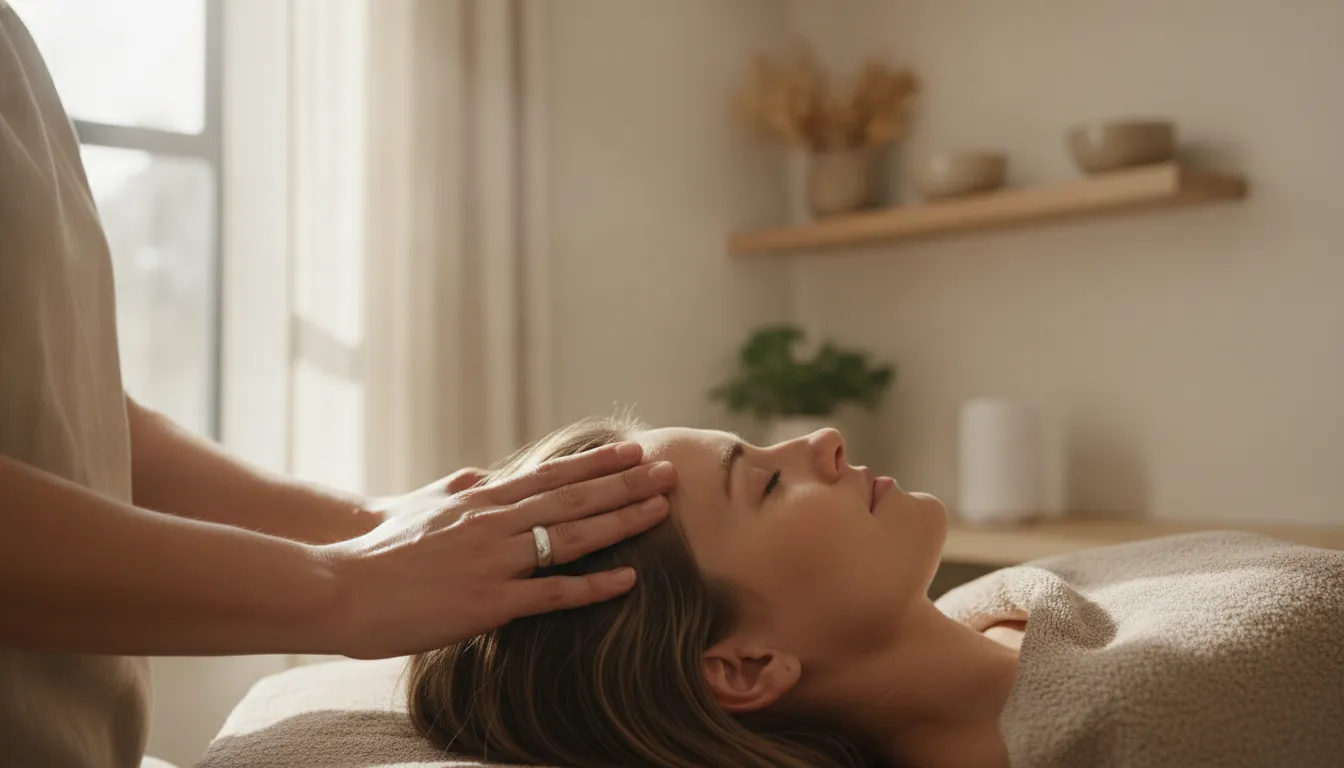
What our clients say after their first session and second
There is no single response that proves a head spa is worthwhile for everyone. A first visit is best treated as an introduction. Notice how you respond to the pressure, cleansing, products, room, and pace. A second visit gives you a better comparison point because you can evaluate the consistency of the experience instead of relying on one impression.
Questions to ask after your first visit
- Did the scalp feel different? Note whether it felt cleaner, lighter, calmer, more hydrated, or unchanged.
- Did the service match your goal? A relaxation goal requires a different measure than a buildup concern.
- Was the pressure appropriate? Professional care should feel attentive, not unnecessarily aggressive.
- How long did the noticeable effects last? This helps you judge whether occasional care or a routine makes sense.
- Did the practitioner respect the limits of the service? Responsible guidance should not promise a medical cure.
The Sage describes its treatments as approximately 60 to 75 minutes. That appointment length allows time for focused care rather than a rushed add-on. It also means time is part of the investment. If an hour of quiet, professional attention is valuable to you, the service may feel worthwhile even when the visible hair changes are temporary.
A second session can help you compare your scalp feel, styling experience, and relaxation level. Avoid treating normal changes in shedding or oiliness as proof that a service caused or prevented a medical outcome. Instead, look for repeatable comfort, a consistent standard of care, and a routine that fits your life.
The case for making it a monthly ritual vs. a one-time experience
A one-time visit makes sense when you are curious, planning a reset, or deciding whether the format belongs in your routine. It can be a special occasion experience or a chance to learn how professional scalp care feels. You do not need to commit to ongoing visits before you have tested the service and considered the result.
Recurring care serves a different purpose. It gives you a consistent time to pay attention to scalp comfort, cleansing, and relaxation. The Sage recommends maintenance every three to four weeks for scalp health. That is a service recommendation, not a medical prescription. The right cadence depends on your goals, budget, schedule, and professional guidance.
One-time visit: Best for curiosity, a reset, or a special occasion. Judge it by immediate comfort, freshness, and whether it meets your goal.
Recurring care: Best for people who value regular scalp attention and relaxation. Judge it by consistency and whether the time and cost fit comfortably.
Cost should be considered alongside the entire service, not just the cleansing step. The Sage lists a 60-minute HeadSpa at $175 and a 75-minute HeadSpa Luxe at $225. The 75-minute Luxe treatment with LED and Jelly Mask is listed at $250. Prices and availability can change, so confirm the current menu for your location before making a decision.
Ultimately, the answer to is a Japanese head spa worth it depends on what you want to buy. If you want a medical solution, it is not the right substitute. If you want professional scalp care, dedicated relaxation, and a realistic wellness ritual, one session can be a sensible way to test the fit. From there, choose occasional or recurring care based on your own experience.
- Choose the outcome you want, such as relaxation, scalp freshness, or comfort.
- Review the treatment length, local service menu, and current price.
- Start with one session and note how your scalp and stress level respond.
- Choose occasional or recurring care only if the results and investment fit your routine.
Contact The Sage HeadSpa before choosing your next step
Is a Japanese Head Spa Worth It for Your Goals?
The answer depends on the outcome you want. A Japanese head spa may be a good investment when you value professional scalp cleansing, relaxation, and time away from daily demands. It is not a replacement for medical care, and it cannot guarantee hair-growth results. Start with one visit, set a specific goal, and decide whether the experience deserves a place in your routine.
Contact The Sage HeadSpa to explore your scalp-care goals
Frequently Asked Questions
Is a Japanese head spa worth it for relaxation?
It can be worthwhile if you value dedicated time, slow scalp massage, and a calm treatment environment. Relaxation is one of the clearest reasons to choose the experience, but it is personal rather than guaranteed. Consider whether the session provides a meaningful reset and whether that benefit justifies the time and cost for you.
How often should I schedule a Japanese head spa?
One visit can be an occasional reset or an introduction to the service. The Sage HeadSpa recommends maintenance every three to four weeks for scalp health, but that guidance should be adapted to your goals, schedule, budget, and professional advice. You do not need a fixed routine if occasional care meets your needs.
Can a Japanese head spa help with hair thinning?
A head spa may support scalp comfort and a relaxing self-care routine, but it cannot diagnose the cause of thinning, reverse hair loss, or guarantee new growth. Sudden shedding, distinct patches, or a rapidly changing pattern should be evaluated by a qualified medical professional. Treat scalp wellness and medical hair-loss care as separate needs.
What should I expect after my first appointment?
You may notice a cleaner-feeling scalp, lighter roots, softer hair, and a sense of relaxation. Results vary with your scalp, hair routine, products, and the service selected. A first appointment is best used to assess comfort, technique, and whether the overall experience matches the outcome you wanted.
What is the difference between a head spa and medical scalp treatment?
A head spa is a wellness and cosmetic service focused on cleansing, comfort, relaxation, and scalp care. A medical scalp treatment is provided through an appropriate healthcare professional who can evaluate symptoms, diagnose conditions, and recommend medical care. A head spa should not replace that evaluation when symptoms are persistent, painful, sudden, or concerning.
Related Articles

Scalp Health Science: A Practical Guide to Balance

What Is a Japanese Head Spa? The Complete First-Timer Guide
