

· Emily Condle
Scalp Detox and Head Spa Treatments in Tampa, FL: Restore Your Scalp Health
Learn what a scalp detox in Tampa can and cannot do, how buildup and residue are addressed, and when to seek professional advice for itching or flakes.
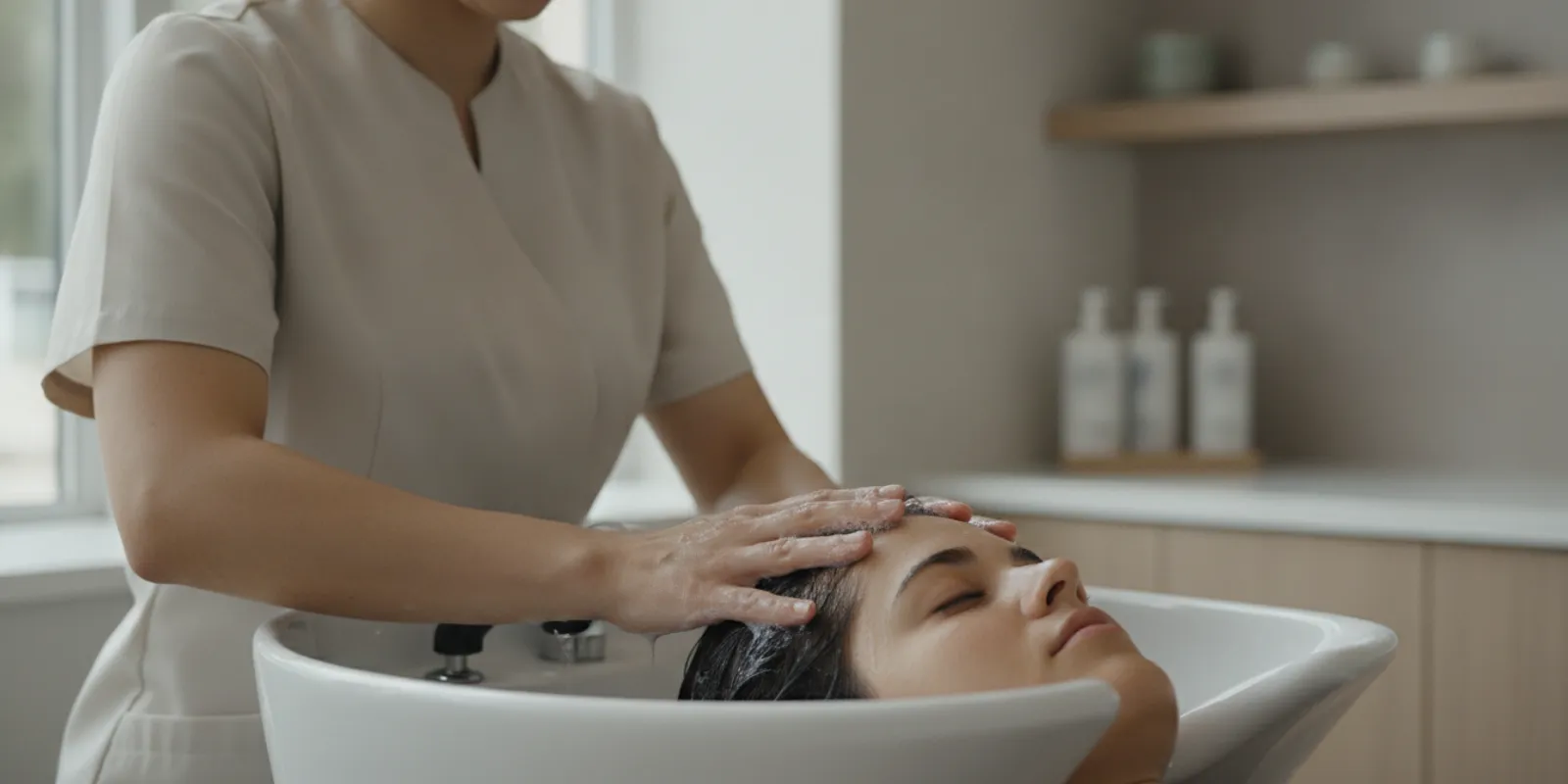
When people search “scalp detox Tampa FL,” they are often looking for a focused cleanse that helps remove excess product residue, oil, and surface buildup, not a way to remove toxins from the body. A professional scalp treatment can help reset the feel of the scalp, while persistent itching or flaking may need assessment by a health professional.
Contact The Sage HeadSpa about a Tampa scalp appointment
What does “scalp detox” mean in a head spa?
People use “scalp detox” to describe different things, from a clarifying wash at home to a professional service intended to lift away surface residue. In this article, the phrase means cosmetic cleansing and scalp care. It does not mean removing toxins, changing the body’s internal processes, or treating a medical condition.
Hair products, natural oils, sweat, and environmental particles can collect between washes. Some residue is easy to remove with ordinary shampoo. If a person uses styling creams, oils, sprays, or dry shampoo frequently, a more deliberate cleanse may feel useful. The right approach depends on the person’s routine, scalp comfort, hair texture, and how the scalp responds to cleansing.
A head spa service is not the same as a diagnosis. An esthetician or cosmetologist can provide cosmetic scalp care within their professional scope, but cannot determine the medical cause of ongoing itching, scaling, redness, or hair changes. A useful starting point is to describe what you notice, what products you use, and whether anything makes the discomfort better or worse.
How can buildup and white waxy residue happen?
White or waxy-looking material on the scalp can have more than one explanation. It may be product residue, oil mixed with dead skin cells, or another type of flaking. Appearance alone does not establish the cause. Scraping at the scalp or applying a strong exfoliant without knowing what is happening can irritate sensitive skin.
Consider the whole routine before adding a new treatment. Note how often you shampoo, whether you layer products at the roots, and how thoroughly you rinse. For protective styles or locs, the product choices and cleansing method also need to suit the style. A routine that works for one person may leave another person’s scalp feeling tight or coated.
- Styling residue: Gels, creams, oils, and dry shampoos can remain near the roots if they are applied often or not fully rinsed.
- Oil and sweat: These can combine with styling products and everyday particles between washes.
- Dryness or sensitivity: A tight, itchy feeling can have causes beyond buildup. More frequent or harsher cleansing is not automatically the answer.
- Persistent flaking: If flakes continue, return quickly, or come with discomfort, do not assume that a cosmetic cleanse will resolve the reason.
If the concern is mainly residue after a product-heavy routine, a careful cleanse may be a reasonable cosmetic step. If the scalp is sore, inflamed, or persistently itchy, pause experiments with scrubs and strong cleansing products and ask a qualified health professional for guidance.
A measured home routine can help clarify whether product use is contributing to the coated feeling. Follow the directions on your shampoo, make sure you rinse the roots thoroughly, and avoid adding several new products at once. If you use dry shampoo or leave-in products at the roots, consider whether the amount and frequency are right for your hair. Make one change at a time and observe how the scalp responds. This does not identify a medical cause, but it can help you describe your routine more clearly when asking a professional for advice.
What happens during a professional scalp cleanse?
The precise steps vary by service and by the person’s hair and scalp needs. In general, a scalp-focused appointment begins with a conversation about the concern and the products used at home. That context helps the provider choose an appropriate cosmetic approach rather than applying the same intensity to every scalp.
- Discuss your routine. Explain how often you wash, which styling products you use, and whether you have itching, tightness, or visible flakes. Mention sensitivity or a recent change in your routine.
- Choose a suitable cleanse. The provider can explain the service steps and products before starting. Ask questions if you are unsure whether a technique is appropriate for your hair or scalp.
- Cleanse and care for the scalp. The goal is cosmetic cleansing and a comfortable treatment experience. A service should not be presented as curing a condition or guaranteeing a change in hair growth.
- Review simple aftercare. Discuss how to return to your usual wash routine and avoid overloading the scalp with new products right away. Follow any individualized guidance provided during the appointment.
The Sage HeadSpa offers Japanese-inspired scalp and skin services. You can review the available scalp and facial treatments and the HeadSpa Classic service before choosing an appointment. For a service specifically described as a scalp detox experience in Tampa, review the Tampa Locs Detox experience and confirm that its approach suits your hair and current needs. The service name describes an offering, not a promise to remove toxins or treat a health condition.
How should you compare at-home care with a head spa?
Home care and a professional service have different roles. Regular, gentle cleansing is the foundation for removing everyday residue. An appointment can provide focused care and time to discuss your routine, but it does not replace regular washing or medical evaluation when symptoms persist.
| Option | Useful for | What to keep in mind |
|---|---|---|
| Usual shampoo routine | Routine removal of oil and styling residue | Choose a method that suits your scalp and hair; rinse thoroughly and avoid aggressive scrubbing. |
| Product-routine adjustment | Reducing residue when many leave-in products are used at the roots | Change one step at a time and notice whether the scalp feels more comfortable. |
| Professional cosmetic scalp care | A focused cleanse and guided discussion of scalp-care habits | It is not a diagnosis or treatment for a medical condition, and results vary. |
| Medical evaluation | Persistent or concerning itching, flaking, pain, redness, or other changes | A physician or dermatologist can assess symptoms and advise on appropriate care. |
Use the table as a decision aid, not a rigid sequence. If a product causes burning or discomfort, stop using it. More exfoliation is not necessarily better. Frequent scrubbing can make a sensitive scalp feel worse, and switching several products at once makes it difficult to tell what is affecting comfort.
What can a scalp treatment realistically support?
A cosmetic scalp treatment can help remove some surface residue and leave the scalp feeling freshly cleansed. Some clients also value the structured time to pause and receive attentive care. Those are reasonable goals for an appointment. They are different from claims that a service cures itching, eliminates a scalp condition, or regrows hair.
Hair appearance is influenced by many factors, and a salon or spa service cannot identify the cause of shedding or thinning. If you are concerned about a noticeable change in hair density, seek advice from a physician or dermatologist rather than relying on a scalp cleanse alone. A treatment may be supportive self-care, but it is not a substitute for evaluation.
For general information about skin and scalp concerns, the American Academy of Dermatology provides patient-facing dermatology resources. When symptoms are persistent, painful, worsening, or accompanied by other changes, consult a qualified health professional.
How do you choose a Tampa scalp treatment?
Start with the concern you want to address. If your main issue is product residue after styling, explain which products you use and how often you wash. If you are mainly bothered by itching or flakes, be clear about how long it has been happening and whether it is getting worse. That distinction helps frame a discussion about cosmetic care without assuming a diagnosis.
For clients considering a scalp appointment in Tampa, The Sage HeadSpa’s Tampa location page provides location-specific information. If you are comparing options from South Tampa, Hyde Park, Carrollwood, or other parts of the Tampa area, check the location details and available services directly rather than assuming every treatment is offered at every studio. You can also browse the broader locations directory to confirm the correct service area.
Before you select a service, read its description and consider these questions:
- Does the treatment description match your goal, such as a focused cleanse or a general head spa experience?
- Can you explain your hair type, styling routine, and scalp sensitivity before the service begins?
- Are the steps and products explained clearly, with no promise to cure a condition or guarantee hair growth?
- Do your symptoms suggest that you should speak with a physician before trying a cosmetic treatment?
The Sage HeadSpa’s first-time guest information can help you review what to expect as you prepare. For more general guidance on appointments and policies, consult the HeadSpa frequently asked questions. If you are still deciding between services, the scalp wellness and HeadSpa guides offer additional educational reading.
When should you seek professional medical advice?
Itching and flaking are common concerns, but they can have different causes. A cosmetic appointment is not the right place to diagnose them. Seek medical advice if symptoms continue despite a gentle routine, become painful, worsen, or appear with marked redness, sores, or unexpected hair loss. A dermatologist can evaluate persistent scalp concerns and recommend next steps.
Until you have guidance, avoid scratching, picking, or layering multiple strong treatments on an uncomfortable scalp. Keep a brief note of products used and when symptoms occur. That information can help a health professional understand the pattern. If you already have advice from a clinician, follow it before adding a cosmetic service or changing your routine.
Contact The Sage HeadSpa to ask about Tampa scalp care
Frequently Asked Questions
Does a scalp detox remove toxins?
No. In cosmetic use, “scalp detox” usually refers to cleansing away surface residue and excess oil. It does not remove toxins from the body or treat an underlying health condition.
Can a scalp detox help with white waxy buildup?
A careful cleanse may remove some product and oil residue. White or waxy material can have several explanations, so appearance alone cannot confirm the cause. If it persists or comes with discomfort, consult a health professional rather than repeatedly scrubbing the area.
Will a scalp treatment stop itching and flaking?
There is no guarantee. A cosmetic service may leave the scalp feeling clean, but it cannot diagnose or treat the cause of ongoing itching or flakes. Persistent or worsening symptoms should be discussed with a physician or dermatologist.
How often should I get a scalp cleanse?
There is no single interval that fits everyone. Consider your regular wash routine, product use, scalp comfort, and the service provider’s guidance. If your scalp feels irritated, do not increase cleansing or exfoliation without getting appropriate advice.
Can I get a scalp detox in Tampa if I have locs?
Ask about the specific service designed for locs and describe your current routine before booking. Confirm that the service’s steps are suitable for your hair and scalp. The Tampa service page describes the available Locs Detox offering; a provider can clarify its cosmetic scope and answer questions before an appointment.
For Tampa clients, the most useful first step is to identify whether the concern is ordinary product residue or a persistent scalp symptom, then choose cosmetic care or medical advice accordingly.
Related Articles

Scalp Buildup Causes and Treatment: A Complete Guide to Scalp Health

What Is a Scalp Detox and Why Your Scalp Needs One
