

· Emily Condle
White Waxy Buildup on Scalp Causes: Symptoms, Treatments, and Prevention
People search for white waxy buildup on scalp causes after finding a sticky crust on their roots. This persistent oil signals that your skin barrier needs.

People search for white waxy buildup on scalp causes after finding a sticky crust on their roots. This persistent oil signals that your skin barrier needs a deep cleanse to restore its natural balance.
Get a professional scalp assessment at The Sage HeadSpa. Schedule your free consultation today to find out what is causing your buildup and get a personalized treatment plan.
The primary white waxy buildup on scalp causes include excess natural oil production, a stubborn buildup of dead skin cells, and heavy product residue from daily hair care. When your sebaceous glands produce too much natural oil, this excess sebum mixes with sweat and dead skin cells to form a sticky, waxy coating on the scalp. At The Sage HeadSpa, our clinical scalp experts see this condition daily and use professional-grade treatments to clear it safely. According to the National Institutes of Health, seborrheic dermatitis is a common inflammatory condition that shows up as a greasy, yellowish white scale that causes flaking and scalp irritation. While this skin condition is often driven by natural yeast overgrowth, the poor rinsing of thick conditioners and styling gels also contributes to this sticky, waxy buildup layer.
If you want to clear this sticky residue, you must first understand the root factors that trigger it. Our complete guide to scalp health explains everything you need to know. Keep reading to learn about the causes, appropriate home treatments, and when it is time to book a professional appointment with The Sage HeadSpa near you.
What Causes White Waxy Buildup on the Scalp?
White waxy buildup on the scalp is caused by three main factors: overproduction of natural sebum. A common yeast called Malassezia that feeds on excess oil, and heavy hair product residue that does not rinse away completely. The team at The Sage HeadSpa sees this combination daily in our studios across Southlake, Alpharetta, Charlotte, and seven other locations, and our clinical scalp treatments target all three root causes at once.
A healthy scalp relies on a delicate balance of natural oils, skin cell turnover, and proper cleansing. When this balance is disrupted, a sticky film can form on the skin surface. This white waxy buildup on scalp causes discomfort and can impact follicle health over time. Understanding what drives this accumulation is the first step toward restoring a clear, healthy dermal barrier.
Natural sebum and yeast overgrowth
Your scalp has many sebaceous glands that produce sebum. This complex mixture of fats and waxes acts as a natural shield for your skin. But when these glands produce too much oil, it can lead to problems. Hormonal fluctuations can impact how these glands work, causing them to make far more oil than your hair needs. This process is documented in studies on sebum regulation and scalp health.
This excess oil creates a home for a microscopic fungus called Malassezia. This yeast is a normal part of your skin microbiome. But when it feeds on excess sebum, it can grow too fast. This fungal overgrowth irritates the scalp surface. The body responds by shedding skin cells more rapidly, which further feeds the cycle of buildup. Professional scalp treatments at The Sage HeadSpa are designed to break this cycle with deep-cleansing protocols that remove excess oil and yeast byproducts from the skin surface.
Dermatological conditions and scale
Sometimes, waxy buildup is linked to a common skin condition called seborrheic dermatitis. This condition is a major cause of stubborn, oily flaking. It often manifests as plaques or small bumps covered with a greasy, yellowish-white scale. The clinical presentation of this condition is detailed in research on seborrheic dermatitis pathology.
People dealing with this issue often notice a greasy scale-crust on their hair follicles. This layer can trap debris and make the scalp feel tight or irritated. It also leads to persistent itching and physical discomfort. Scratching this crust can damage the skin barrier and lead to further irritation or infection. The Sage HeadSpa offers targeted treatments such as the HeadSpa Clinical Facial to address these concerns with medical-grade exfoliation and deep cleansing.
Product residue and lifestyle factors
Not all waxy buildup comes from skin conditions. Often, it is the result of daily habits and hair care routines. When you use heavy conditioners, styling gels, or hair sprays, they do not always wash away completely. This leads to a stubborn product residue buildup that coats your hair roots and skin.
This chemical residue acts like a magnet on your scalp. Natural sweat, dead skin cells, and daily sebum get trapped in the sticky layer. Over several days, these elements mix together and harden into a waxy paste. Without regular deep cleansing, this mixture clogs the follicles and prevents the scalp from breathing. A professional scalp detox and buildup removal at The Sage HeadSpa can reverse this process and restore healthy function.
How Can You Tell the Difference Between Sebum Plugs, Product Buildup, and Fungal Buildup?
You can tell the difference by looking at the texture, color, and accompanying symptoms. Sebum plugs are small, hard bumps in the pores. Product buildup forms a sticky, dull layer on hair strands. Fungal buildup from Malassezia yeast produces greasy white or yellow flakes with redness and itching. Our practitioners at The Sage HeadSpa are trained to identify each type during a professional scalp assessment and recommend the right treatment protocol.
Knowing the different scalp conditions that lead to a white waxy buildup on scalp causes is the first step to clear skin. While the coating looks the same, the root reasons are not. Your scalp could have too much scalp oil, old hair gel, or a yeast overgrowth.
How normal sebum plugs form
Your skin glands make oil to guard your hair. But too much oil, a state called hyperseborrhea, can cause buildup. Sebum plugs form when this skin oil mixes with dead skin cells. These plugs look like tiny, hard bumps in your pores. They do not look like loose flakes and do not wash away with water alone. The Sage HeadSpa uses clinical-grade scalp treatments to dissolve these plugs without damaging the skin barrier.
Signs of hair product buildup
Hair products can leave a thick film on your hair. This happens when you use too many gels, sprays, or creams that have heavy silicones. If you do not rinse your hair well, the extra product leaves a sticky layer on your skin. It forms a waxy coat that gathers dust and makes your hair look dull. For persistent product buildup, our traditional HeadSpa treatment includes a deep-detoxifying cleanse that removes even the most stubborn styling residue.
How yeast drives scalp flakes
A normal yeast called Malassezia lives on your scalp. But when it grows too fast, it triggers redness and itching. This yeast overgrowth drives a skin issue called seborrheic dermatitis. It can cause deep redness, itching, and greasy flakes that may be white or yellow. This red, swollen skin is a key sign that sets it apart from simple dandruff.
This table helps you see how they differ. Look closely at how each one forms and how it affects your skin.
| Scalp Issue | Sebum Plugs | Product Buildup | Fungal Buildup |
|---|---|---|---|
| Main Cause | Too much skin oil and dead skin cells | Extra gels, sprays, and heavy silicones | Too much Malassezia yeast on your skin |
| Key Look | Small, hard bumps in the pores | Sticky, dull layer over the hair strands | Greasy white or yellow flakes |
| Red or Swollen? | No redness or swelling around the pore | No, but it can trap sweat and clog pores | Yes, the skin becomes red and sore |
| How It Feels | Oily but does not itch much | Heavy, stiff, and coated hair strands | Itchy, sore, and red scalp spots |
Once you find the right cause, you can choose the best way to clear your scalp. Each issue needs its own care plan to keep your hair healthy and strong. Our team at The Sage HeadSpa will help you identify your specific type and create a targeted treatment plan.
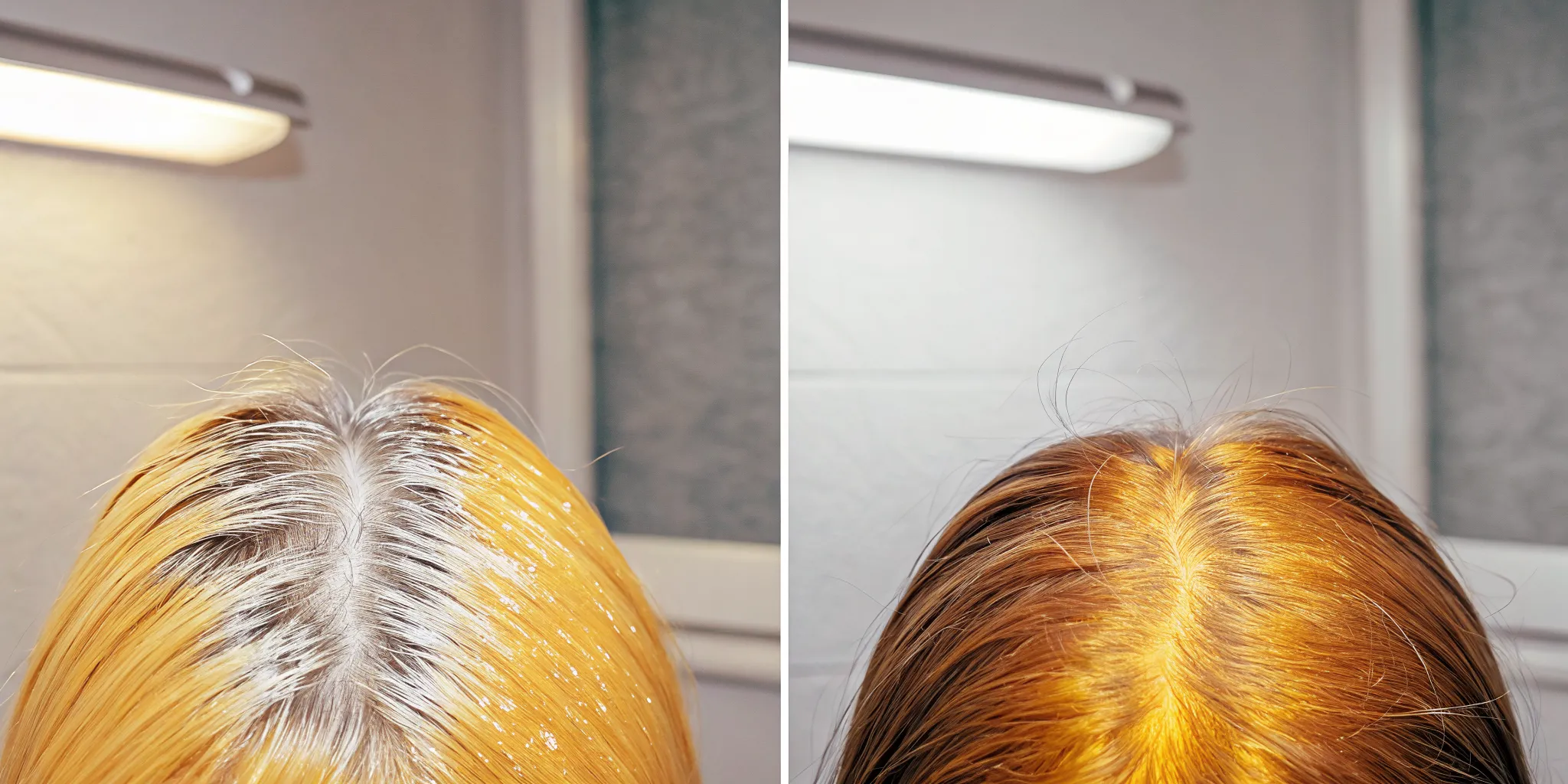
What Symptoms of Scalp Buildup Go Beyond What You Can See?
Scalp buildup does more than create visible white flakes. It causes persistent itching, damages the skin barrier, leads to scalp folliculitis (a bacterial infection of hair follicles), and can even contribute to temporary hair thinning. If you experience redness, swelling, or tenderness alongside white waxy buildup on your scalp, the condition has moved beyond surface-level and may require professional care at The Sage HeadSpa.
While finding a white waxy buildup on scalp causes concern, the issue goes far beyond what is visible. This buildup can harm your scalp. Over time, a heavy layer of waste changes the health of your skin and hair.
Persistent itching and scale
When oil and dead skin cells mix, they form a thick layer. This waxy buildup is often described as a greasy scale-crust that causes constant itching and discomfort. It traps sweat and oil. This makes the itch much worse and can lead to a sore, tender scalp. If you scratch, you will damage the skin barrier.
Risk of scalp folliculitis and hair loss
When waxy buildup blocks your hair follicles, it creates a home for germs. This can cause infections. Over time, chronic buildup leads to secondary bacterial issues on your skin. These issues can make your whole scalp feel hot, tight, and tender to the touch.
One common issue is scalp folliculitis. This mild bacterial infection of the hair follicles can cause deep soreness, crusting, and even temporary hair loss. Your hair roots become weak when clogged. Over time, the hair may thin and fall out in patches. Our LED therapy treatments at The Sage HeadSpa use Celluma light technology to reduce inflammation and support follicle recovery.
Dandruff and seborrheic dermatitis
Many people confuse these symptoms with simple dry skin. But it is important to know the difference between different scalp conditions to treat them well. Each condition needs a different type of care to restore balance.
Dandruff is a mild issue that stays on your scalp. It involves itchy, flaking skin without inflammation. If your skin has no redness, you likely have dandruff rather than a severe infection. The flakes are dry and white.
In contrast, seborrheic dermatitis is a more severe issue. It causes marked redness and deep swelling on the scalp and nearby skin. You may also see greasy, yellow crusts. Knowing these signs helps you choose the right path for your scalp health. Our practitioners at The Sage HeadSpa are trained to distinguish between these conditions during a comprehensive consultation.
How to Treat White Waxy Buildup on the Scalp at Home
You can treat mild white waxy buildup at home with a clarifying shampoo used weekly. Gentle scalp exfoliation with a silicone brush, thorough warm-water rinsing, and an apple cider vinegar rinse to balance pH. However, if buildup persists after two to three weeks of consistent home care, a professional treatment at The Sage HeadSpa may be needed to address deeper underlying causes.
Clearing a waxy film from your hair roots does not have to be hard. When you know the white waxy buildup on scalp causes, you can take simple steps to clear it. Daily care helps keep your hair clean and healthy.
Effective cleansing steps
You can manage this issue with a basic routine. A few targeted steps will dissolve the wax and wash it away.
- Use a clarifying shampoo with chelating agents once a week. These products help dissolve thick sebum and wash away styling residue.
- Exfoliate your scalp gently with a soft silicone brush. This safely lifts dead skin cells.
- Rinse your hair with warm water for at least two full minutes. If you do not rinse well, left-over product can form a sticky film.
- Apply an apple cider vinegar rinse after you shampoo. This natural wash breaks down stubborn waxy film and helps balance your pH.
- Maintain a simple hair care routine and avoid heavy oils. Keeping a clean routine prevents sebum and product from building up again.
Sebum regulation and scalp care
Your head glands make more oil than skin glands on other body parts. Because of this active oil flow, your scalp is highly prone to clogged pores and wax. You may need a deeper scalp detox and buildup removal plan to keep your follicles clear. The Sage HeadSpa offers professional scalp detox services at all ten locations, including Tampa, Jacksonville, Brentwood, and Naperville.
Keeping the skin barrier healthy is a key part of long-term care. According to research on sebaceous gland function, too much oil can feed scalp yeast and cause redness. When you balance your washing habits, you protect this barrier and prevent flakes from coming back.
Balanced hair care habits
A balanced routine is the best way to prevent sebum and product buildup. Wash your hair based on your scalp type. If you work out often, you may need to wash more to clear away sweat and dirt. Over-washing can dry your skin, but waiting too long allows sebum to build up.
Avoid heavy styling creams and silicones that coat the hair shaft. These formulas stick to your scalp and trap dead cells. When dead cells mix with excess oil, they form a thick yellow or white crust that is hard to remove with standard soaps. The Sage HeadSpa recommends switching to sulfate-free, lightweight products that allow the scalp to breathe.
When Should You Consider Professional Scalp Treatments?
You should consider professional scalp treatments when home remedies fail to clear buildup after two to three weeks. When you experience persistent redness or tenderness, or when the buildup is accompanied by noticeable hair thinning. Professional treatments at The Sage HeadSpa use clinical-grade tools and techniques that cannot be replicated at home, providing deeper and more lasting results.
Home care has its limits when dealing with a stubborn crust. If your daily washing routine does not clear the debris, you may need professional help. Clinical scalp care provides the deep, precise cleaning needed to restore a healthy skin barrier on your head.
Limits of home care
Many people struggle to wash away a thick layer of dead skin and oil. Common shampoos often fail to break down this tough bond. Research shows that a white waxy buildup on scalp treatment needs more than basic washing. In fact, standard hair products can even add to the problem by leaving their own waxy residue on your skin. When buildup persists, it can clog hair follicles and lead to long-term issues.
Professional scalp care is not like home care because it uses tools and steps you cannot copy at home. A professional scalp treatment works well for stubborn, long-standing buildup that does not respond to daily washing. Our clinical team at The Sage HeadSpa works to address the main white waxy buildup on scalp causes at their source. It helps balance your scalp skin by removing both natural oils and product residue.
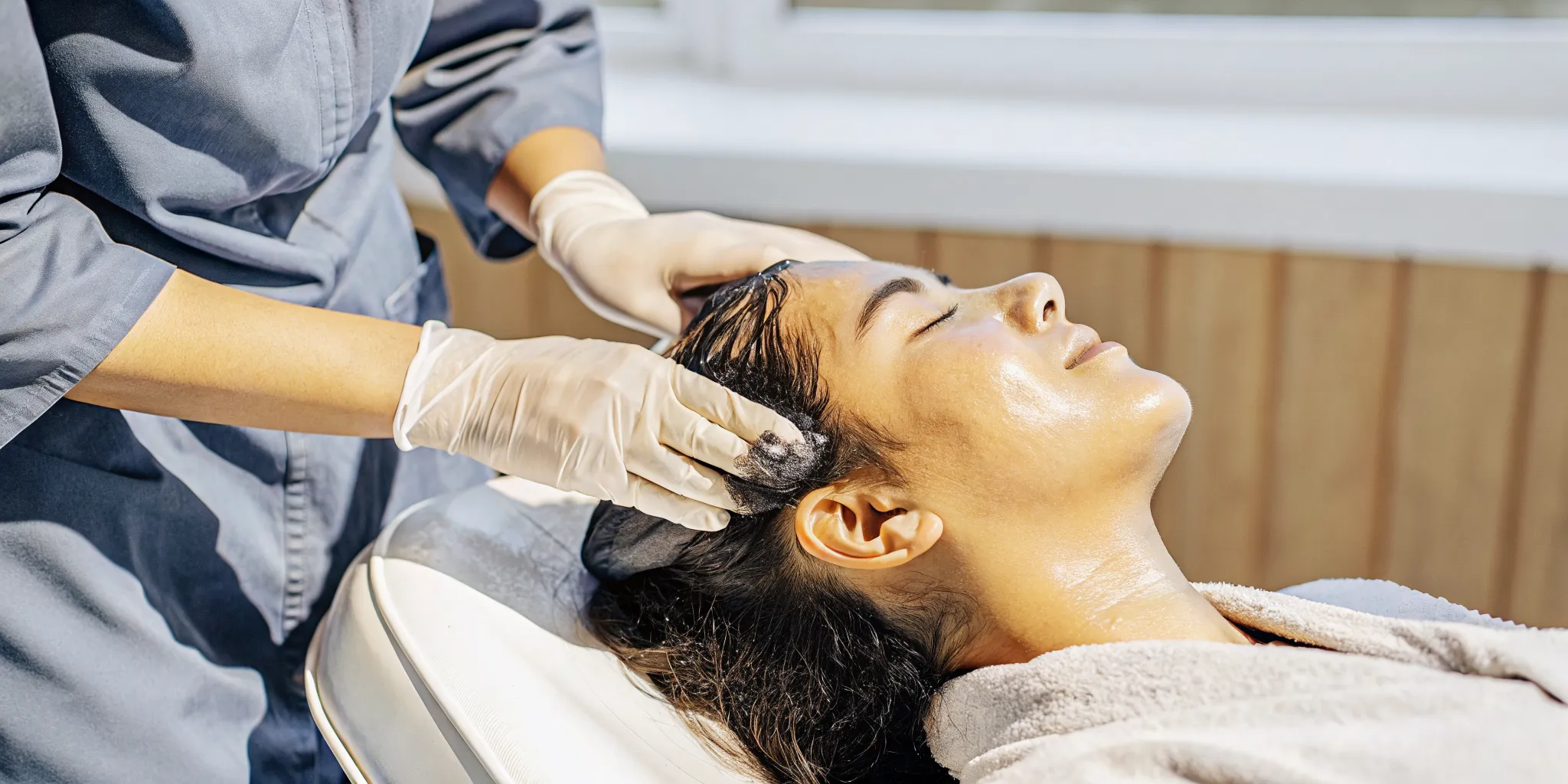
Research shows that your scalp health depends on the sebaceous glands and the epidermal barrier's strength. When this barrier is weak or clogged, sebum and dead cells form a heavy crust. Clinical care helps to clear the pathway and repair the skin barrier. This is a vital step in our complete guide to scalp health.
Our clinical head spa services for buildup
At The Sage HeadSpa, we offer targeted services designed to clear stubborn scalp buildup. Our signature HeadSpa treatment is a sixty-minute session for one hundred and seventy-five dollars. It starts with a deep detoxifying cleanse to melt away hardened oils. Next, we perform an intensive scalp exfoliation to lift dead skin cells. The service ends with halo water therapy, which rinses the scalp with a steady, soothing flow of warm water.
For a deeper service, you can choose one of our luxe treatments. The HeadSpa Luxe costs two hundred and twenty-five dollars and adds a custom facial to your scalp service. If you want the best care, the Luxe plus LED and Jelly Mask package is two hundred and fifty dollars. This option includes a soothing jelly mask and Celluma LED therapy to support your skin's own healing process. We also offer specialized build-up treatments tailored to your specific scalp condition at all ten locations, from Southlake to Alpharetta.
How Can You Prevent Scalp Buildup from Coming Back?
Preventing scalp buildup from returning requires consistent, balanced hair care: wash every two to three days with a gentle clarifying shampoo. Exfoliate weekly, rinse thoroughly, and avoid heavy styling products with silicones. Our scalp care specialists at The Sage HeadSpa recommend a maintenance visit every four to six weeks to keep the scalp healthy between deeper treatments.
Stopping scalp buildup requires a steady, daily approach to hair care. To keep your skin clean, you must use a balanced hair care routine that matches your specific scalp type. Frequent, thorough washing is key to prevent oil and product buildup from forming on your head.
The Scalp as Skin Philosophy
Your scalp is like the skin on your face. It needs the same level of daily care to stay healthy and clear. To keep your skin clear, you may need a steady scalp detox and buildup removal plan. This gentle approach helps you clear away oil and old hair products before they can clog your hair follicles.
Research shows that glands on your scalp make more sebum than glands on other parts of your body. Because of this high oil output, proper washing is vital to keep your hair follicles clear. If you let oil and dead skin sit, they will form a sticky layer that is hard to wash out with standard soap. This sticky layer can trap dirt and create a thick, waxy film on your skin. Our team at The Sage HeadSpa offers personalized aftercare guidance to help you maintain results between sessions.
Managing Biological and Genetic Factors
You should also know that your genes can make you more prone to scalp flaking. Studies show that your genetic makeup plays a major role in how you get seborrheic dermatitis. Since you cannot change your genes, your best path is to focus on daily care. This means using gentle shampoos that target oil without drying out your skin barrier. Cleansing daily keeps the skin barrier clean and lowers the risk of flares.
Weather also changes how much yeast grows on your head. A damp, warm climate can lead to the growth of Malassezia, which is a yeast that feeds on scalp oil. Based on health studies, humidity and heat affect yeast growth, which can lead to quick scalp buildup. You should wash your hair more often during hot, humid months to keep this yeast under control. This simple change keeps your scalp fresh and prevents a heavy waxy buildup.
Frequently Asked Questions
Is white waxy buildup on the scalp serious?
Scalp buildup is mostly not serious and is easy to manage at home. However, long-standing buildup can lead to skin problems. For example, severe or stubborn cases can cause new bacterial infections. If you notice marked redness, swelling, or pain, you should seek expert help. According to Healthline, these signs of inflammation mean you may need clinical-grade care or a medical check to protect your skin. Our team at The Sage HeadSpa can assess your symptoms and recommend the right level of care.
Does dry shampoo cause waxy scalp buildup?
Yes, heavy use of dry shampoo can cause a thick waxy layer on your scalp. Dry shampoo does not clean your hair. Instead, it absorbs natural oils and sits on your skin. Over time, this starch powder mixes with sebum and sweat to clog your hair follicles. A study on PubMed Central shows that a healthy scalp barrier needs normal washing with water. To prevent sticky gunk, you should use dry shampoo less and wash your scalp deeply.
How often should I wash my hair if I have scalp buildup?
You should wash your hair every two to three days to control oil and product buildup. Since sebaceous glands on the scalp are highly active, oil can build up fast. If you wash too little, dead skin and sebum will collect. If you wash too much, you may dry out your skin, which makes glands produce more oil. Expert guides on Perseus Style suggest using a gentle clarifying shampoo once a week to keep your scalp clean and balanced.
Can seborrheic dermatitis cause waxy scalp buildup?
Yes, seborrheic dermatitis is a common medical cause of greasy, waxy scales on the scalp. This skin condition involves inflammation and causes a thick, yellow crust. According to a clinical review on the National Library of Medicine website, the buildup forms when your body produces excess sebum and sweat. This mix then combines with a type of yeast called Malassezia. This growth triggers skin flaking, itching, and a sticky scale-crust that is hard to wash away. At The Sage HeadSpa, our clinical protocols are designed to address seborrheic dermatitis-related buildup with gentle but effective deep-cleansing techniques.
Ready to schedule a professional scalp consultation?
Leaving white waxy buildup on your scalp can clog your hair follicles, which leads to persistent itching, flaky skin, and slow hair growth over time. Booking a professional scalp care treatment today will quickly clear away these stubborn deposits and prevent any long term damage to your own follicle health. Our clinical experts at The Sage HeadSpa deep clean your scalp skin to restore your natural dermal barrier with our proven white waxy buildup on scalp treatment care methods.
Are you ready to schedule your scalp consultation? Do not wait to get relief from itchy scalp buildup. You can book a scalp consultation online at any of our ten local studios to schedule a free scalp consultation today.
Related Articles

Scalp Buildup Treatment: Causes, Symptoms, and Solutions

Scalp Buildup Causes and Treatment: A Complete Guide to Scalp Health
