· Emily Condle
Head Spa Equipment Guide: What You Need to Get Started Professionally
Plan a professional head spa setup with a practical equipment framework, safety considerations, room needs, and questions to resolve before investing.
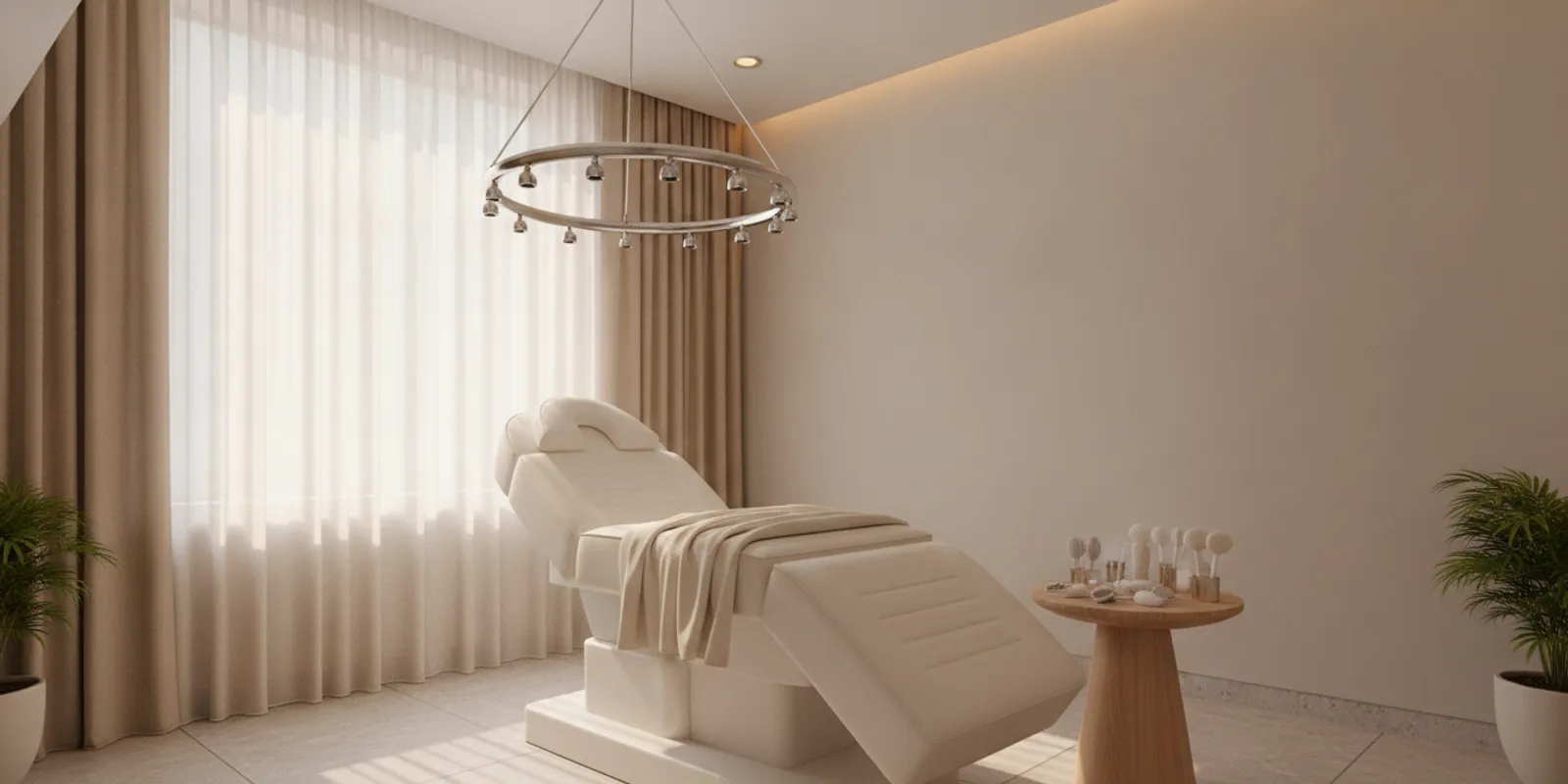
Choosing head spa equipment for salon services starts with the treatment you plan to deliver, the room you have, and the safety procedures you can maintain. A professional setup is more than a chair and a water feature: it includes suitable tools, reliable water access, sanitation, and staff training.
Ask about professional training
This guide offers a decision framework rather than a shopping list of models or prices. Equipment needs vary by service design, room, and applicable requirements, so confirm specifications with manufacturers and relevant authorities before purchasing or installing anything.
The essential head spa equipment list for new practitioners
Begin by mapping each planned service from consultation through cleanup. Note when the client reclines, how water is introduced and removed, which tools contact the client, what products are dispensed, and how the room is reset between appointments. This process reveals what must be in the room and what is optional for the services you intend to offer.
A professional setup may include several categories:
- Treatment furniture: an ergonomic treatment bed or chair that supports the intended positioning and allows the practitioner to work safely.
- Water equipment: a Japanese-inspired water system or other service-appropriate setup, with dependable water access and a workable drainage plan.
- Scalp assessment tools: a professional microscope when scalp viewing is part of the service protocol.
- Hands-on tools: massage tools and service-specific accessories that can be cleaned or replaced as required.
- Specialized devices: equipment such as JetPeel systems or Celluma LED devices only when the service menu, training, and location support their use.
- Room systems: professional lighting, temperature control, ventilation, sound dampening, and HEPA air filtration.
- Sanitation supplies: approved products and processes for station cleaning, tool sterilization, fresh linens, and single-use items where appropriate.
The Sage HeadSpa's stated professional-grade equipment suite includes JetPeel systems, Celluma LED devices, high-frequency equipment, a scalp-analysis microscope, massage tools, and Japanese-inspired water systems. That describes Sage's own environment, not a universal minimum package. Review the service menu and build a setup around the exact services you plan to provide.
Scalp steamers: what should you evaluate?
The available information does not establish a steamer as required for a professional head spa or identify specific models worth buying. Do not assume a device belongs in your setup simply because another studio uses it.
Ask whether a proposed device supports a defined step in your protocol. Check the manufacturer's intended use, operating instructions, cleaning requirements, electrical and room needs, and training expectations. Confirm that the device is appropriate for your service scope and local rules. If a seller cannot provide clear documentation, pause the purchase and seek clarification.
Separate device marketing from what you can responsibly say to clients. Avoid promising a particular scalp or hair outcome based on a machine alone. Describe professional care accurately and frame benefits as supportive rather than medical treatment.
How do you choose treatment chairs and positioning equipment?
Furniture affects client comfort, practitioner posture, access to the scalp, and the flow of water-based services. Assess room dimensions, access routes, working height, cleaning access, and whether the equipment accommodates positions required by your protocol.
Try the complete service sequence. Can the practitioner reach the head and neck without repeated awkward bending? Is there room for the water system and supplies without blocking movement? Can linens be changed and surfaces sanitized without dismantling the station? These practical questions matter more than appearance alone.
Ergonomic treatment beds are among Sage's room standards. Your selection should also follow the manufacturer's limits and the requirements that apply to your facility. A generic online checklist cannot confirm that a specific installation is safe or compliant.
What should you plan for water systems and rinse stations?
Water access is a core room-planning issue for services that include halo water therapy or rinsing. Before buying a system, map where water comes from, where it goes, how the practitioner controls flow, and how the floor and nearby surfaces will be kept dry and clean. Plumbing and installation are site-specific, so consult qualified professionals rather than improvising connections.
A HeadSpa Classic at Sage uses halo water therapy, a cleanse, scalp exfoliation, customized conditioning, and a nourishing leave-in formula. This illustrates why the water system cannot be considered alone: the station also needs room for products, tools, clean linens, and an orderly reset. See the HeadSpa Classic overview for service context.
Use this comparison as a planning aid, not a specification sheet:
| Equipment category | Planning question | What to verify |
|---|---|---|
| Treatment bed or chair | Does it support the positions and access the service requires? | Dimensions, manufacturer limits, cleaning access, and room fit |
| Water system or rinse station | Can the service use controlled flow with a clear cleanup path? | Water access, drainage plan, installation needs, and maintenance guidance |
| Scalp assessment tools | Will the tool be part of a defined service step? | Intended use, operating guidance, cleaning, and training |
| LED or specialized device | Is it part of the menu and supported by suitable training? | Manufacturer instructions, education, safety checks, and upkeep |
| Room and sanitation systems | Can the space be cleaned and prepared consistently? | Sanitation protocol, linens, ventilation, lighting, and filtration needs |
How should you handle product dispensing and storage?
Plan product storage around service steps and manufacturer handling instructions. Keep the work area organized so products can be identified, dispensed cleanly, and returned to appropriate storage without interrupting the service. Do not decant or combine products unless labeling and applicable rules allow it.
Sage's product philosophy emphasizes professional-only products rather than consumer-grade products. That is a brand-specific practice, not a universal purchasing rule. Select products appropriate to your services, follow directions, and ensure staff can explain what is being used without overstating its effects. Product selection and equipment selection are distinct: a device does not make a product claim true, and a product does not replace training or a clear protocol.
How do safety, sanitation, and training shape the setup?
Equipment selection and operating procedures should be planned together. Sage's standards include sanitation protocols, HEPA air filtration, temperature control, ergonomic beds, and professional lighting. Its rooms also require water access, ventilation for product use, and sound dampening. Facility requirements vary by location and must be checked locally.
Build a written station routine. Sage specifies station sanitization, tool sterilization using approved methods, fresh linens for each client, and single-use items where appropriate. It also calls for safety checks before each use, regular maintenance schedules, and compliance with manufacturer instructions. A repeatable routine makes it easier to notice damaged equipment, missing supplies, or surfaces needing attention.
Training matters when equipment has specific operation or safety requirements. Sage requires active state licensure for providers, with esthetician or cosmetologist licenses accepted, and its continuing education includes equipment-specific certifications such as JetPeel and LED therapy. Confirm the qualifications, training, and device-specific requirements that apply to your practice. The CDC's disinfection and sterilization guidance explains that appropriate processes depend on how equipment is used and the applicable instructions; use it as a starting point alongside local rules and manufacturer guidance.
For a fuller view of professional preparation, read the hands-on HeadSpa training overview and online training information. Sage's hands-on program includes equipment and tools mastery, scalp-health and lymphatic education, and business and pricing strategy. Its stated sourcing guidance and supplier relationships can help professionals think through procurement, but no specific equipment costs or models are established here.
What is a realistic startup equipment cost?
There is no verified total startup cost or item-by-item equipment price list in the information available for this guide. Costs depend on the room, services offered, existing infrastructure, installation needs, and devices selected. A precise total without those details would be guesswork.
Use a quote-based budget. Ask vendors to itemize equipment, delivery, installation, required accessories, training, maintenance, and ongoing consumables. Separately estimate room changes, sanitation supplies, linens, and replacement items. Confirm whether a quote includes taxes and setup, and compare options only after you know each item meets service and facility requirements.
Group the budget into core room needs, water setup, tools and devices, and readiness costs such as training, sanitation supplies, linens, storage, and maintenance planning. Request written specifications and service terms, then check that equipment fits the room and staff training. Do not let a low purchase price obscure unresolved safety, installation, or maintenance questions.
How can you turn an equipment list into a service plan?
Work backward from the client experience. For each service, record the sequence, tools used at each step, how surfaces and tools are prepared, and how the room is restored afterward. Identify equipment that supports more than one service without creating unsafe or impractical workarounds.
- Define the menu. Specify which treatments you will offer and what each includes.
- Map the room. Confirm measurements, movement paths, water access, ventilation, power needs, and storage with qualified providers where needed.
- Match equipment to steps. Choose equipment tied to a clear service function and supported by instructions and training.
- Write operating and cleaning procedures. Include checks before use, between-client sanitation, linen handling, and maintenance records.
- Validate before opening. Review manufacturer requirements, local rules, staff qualifications, and the full client flow.
A HeadSpa FAQ can help clarify general service questions, while the Sage background page provides context on the company's approach. Professionals can review Sage locations and learn about the HeadSpa Luxe service as an example of how services differ in equipment and workflow.
Contact Sage about professional training
Frequently Asked Questions
What equipment is essential for a head spa?
There is no universal minimum list established here. Start with the services you plan to provide, then assess furniture, water access, tools, room systems, sanitation, and any specialized devices needed for those steps.
Do I need a scalp steamer?
This guide does not establish a steamer as required or recommend specific models. Confirm whether a proposed device has a clear role in your protocol, review manufacturer guidance, and check training and local requirements before purchasing.
How much does head spa equipment cost?
No verified startup total or item-level prices are available here. Get itemized quotes for equipment and installation, then budget separately for training, sanitation supplies, linens, maintenance, and room needs.
Does Sage provide equipment sourcing guidance?
Sage's training information includes equipment sourcing guidance and supplier relationships, along with equipment and tools mastery. Review the hands-on training page or use the contact page to ask about the current program.
What should I confirm before using a specialized device?
Review the manufacturer's intended use and safety instructions, obtain appropriate equipment-specific training, establish checks and maintenance, and verify applicable licensing and facility rules. Do not describe a device as treating a medical condition.
A well-planned head spa setup is built around a clear service protocol, suitable room conditions, careful sanitation, and training that matches the equipment. Resolve specifications and costs with qualified vendors before investing, and keep client-facing claims grounded in what the service actually provides.
Related Articles
How to Add Head Spa Services to Your Salon: Equipment and Product ROI Guide

Scalp Health Guide: The Complete Guide for Healthy Hair